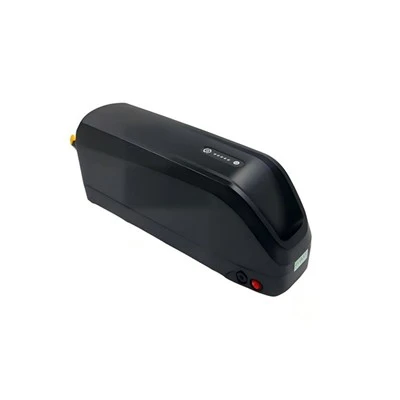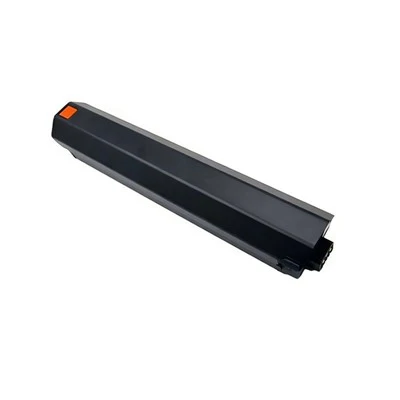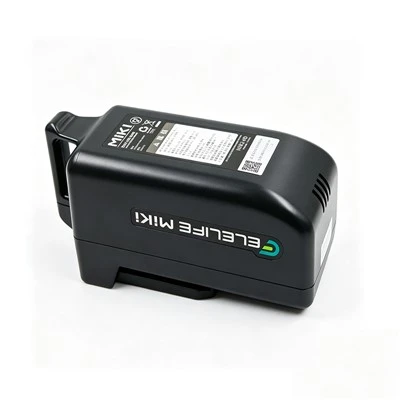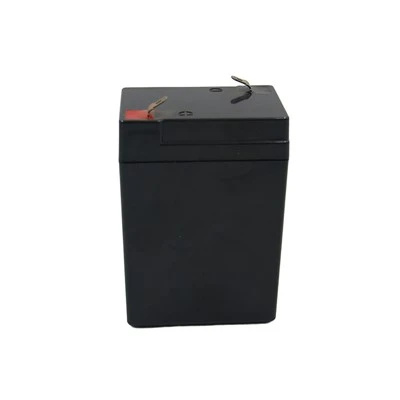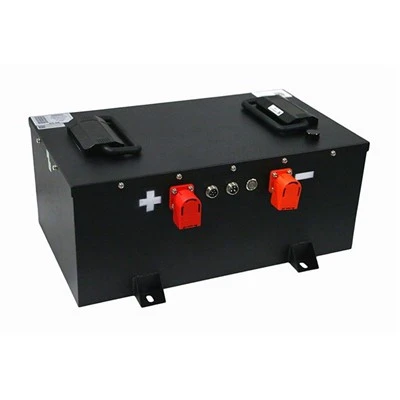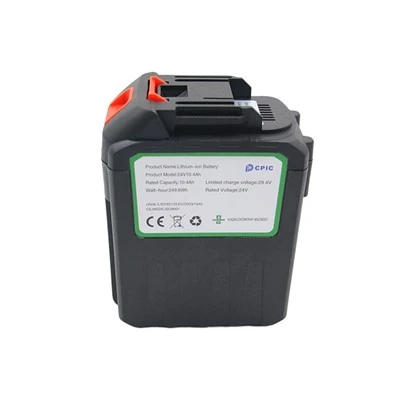
The International Air Transport Association has issued its 2026 guidance document for the carriage of battery-powered wheelchairs and mobility aids, setting strict compliance benchmarks that lithium battery suppliers to the rehabilitation and assistive-device sector must now meet.
Under the updated rules, which draw from the ICAO Technical Instructions and the 67th edition of the IATA Dangerous Goods Regulations, lithium-ion batteries used to power wheelchairs, scooters and other mobility aids must have passed the UN Manual of Tests and Criteria, Part III, subsection 38.3. This testing requirement is non-negotiable: without it, airlines will refuse to carry the device.
Capacity is the key operational threshold. Lithium batteries that remain installed in a mobility aid and collectively exceed 300 watt-hours trigger additional safety obligations for the airline, including fire-resistant containers or fire-resistant covers, or may require the battery to be carried at a reduced charge of 25 percent or less. Where batteries are removed for transport, the cumulative total must not exceed 300 Wh. Passengers may also carry spare batteries, but again only up to a cumulative 300 Wh, and all removed and spare lithium batteries must travel in the passenger cabin, protected from damage and short-circuit.
The document makes clear that the battery's physical integration with the device determines how it is handled. If the wheelchair or mobility aid is designed to provide adequate protection and the battery is securely attached, the battery may remain installed. If not, it must be removed and carried separately. Battery terminals must be protected against short circuits, and electrical circuits must be isolated before loading, by methods such as removing the key, detaching the joystick module, or disconnecting power cables near the battery.
Airlines use special handling codes to identify these shipments. WCLB denotes a wheelchair with an installed lithium battery; WCLX marks one with the lithium battery removed. Operator approval is mandatory in all cases, and passengers are strongly encouraged to seek that approval in advance, supplying details that include the manufacturer, model number, battery type, total weight, dimensions, and proof of UN 38.3 compliance.
The guidance also stresses training. All personnel involved in preparing or transporting these devices must complete function-specific dangerous-goods training, including awareness of the attitudinal, physical and environmental factors that affect passengers with reduced mobility.
For battery pack manufacturers, the message is direct: compliance with UN 38.3, a 300 Wh design ceiling, robust physical protection, clear installation and removal instructions, and comprehensive documentation are no longer optional add-ons. They are the price of admission to a global supply chain that moves rehabilitation equipment by air.