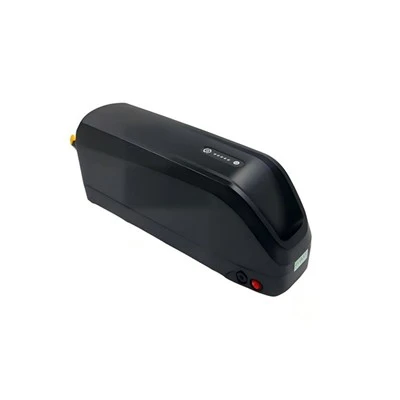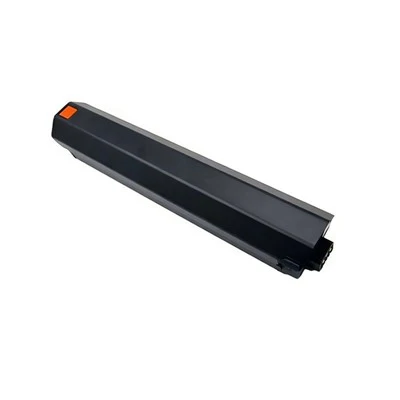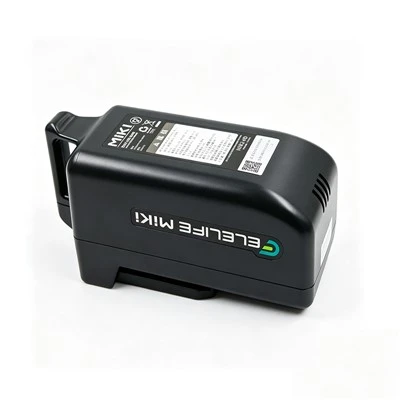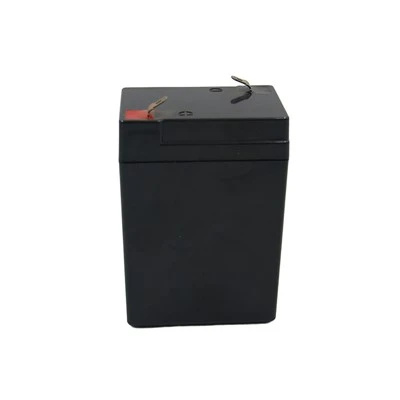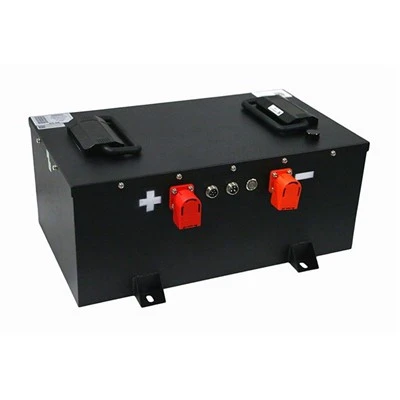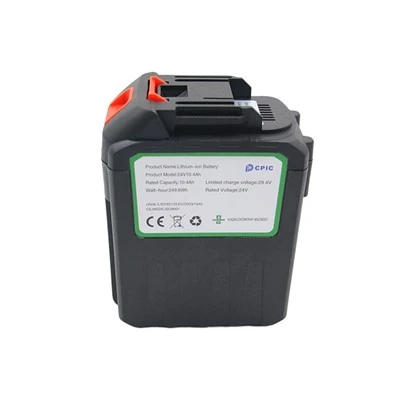
With the rapid development of electric mobility equipment, lithium batteries are becoming increasingly important in the electric wheelchair market. Compared with traditional lead-acid batteries, lithium battery solutions provide significant advantages, including lighter weight, longer service life, faster charging capability, higher energy efficiency, and improved user experience. As wheelchair manufacturers continue to pursue better portability, longer driving range, and enhanced safety, selecting the right battery chemistry has become a key factor in product design.
Different types of electric wheelchairs require different battery characteristics. Among current lithium battery technologies, NCM (Nickel Cobalt Manganese) and LiFeP04 (Lithium Iron Phosphate) are two major solutions widely used for mobility applications.
For lightweight and foldable electric wheelchairs, reducing overall weight is one of the most important design goals. NCM batteries feature higher energy density, enabling manufacturers to achieve longer travel distances with a smaller and lighter battery pack. This makes NCM an ideal choice for portable wheelchairs, travel mobility products, and premium models where users prioritize easy transportation, compact design, and greater freedom of movement.
For heavy-duty electric wheelchairs, stability, safety, and long-term reliability are the primary considerations. LiFeP04 batteries offer excellent thermal stability, outstanding safety performance, and a much longer cycle life compared with many other lithium battery chemistries. These advantages make LiFeP04 batteries especially suitable for medical mobility equipment, high-load wheelchairs, and applications requiring frequent daily operation.

Although NCM and LiFeP04 have different strengths, neither technology completely replaces the other. The future of electric wheelchair batteries will focus on application-based solutions. Lightweight products will continue to benefit from NCM's high energy density, while heavy-duty and safety-focused applications will increasingly adopt LiFeP04 technology.
By selecting the appropriate battery chemistry and combining it with an optimized BMS and customized battery pack design, manufacturers can deliver safer, more efficient, and more reliable mobility solutions for users worldwide.