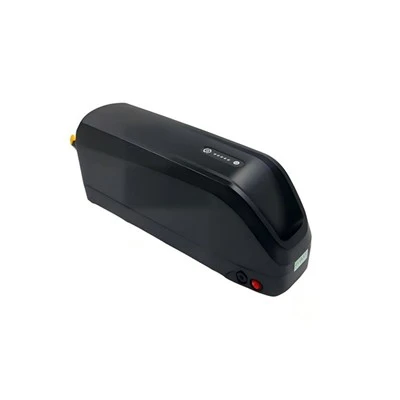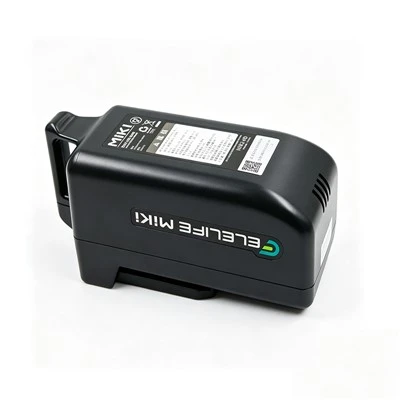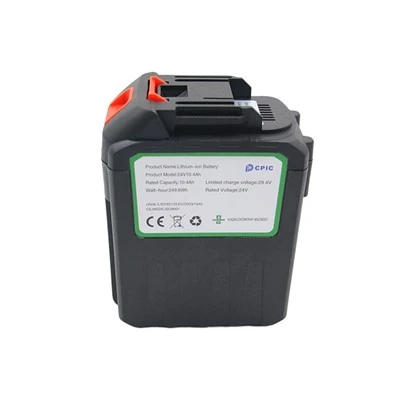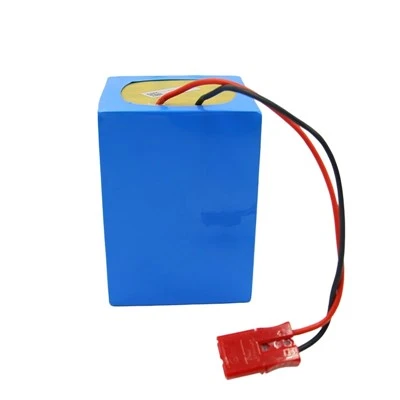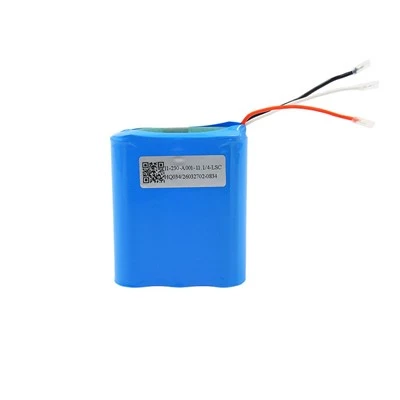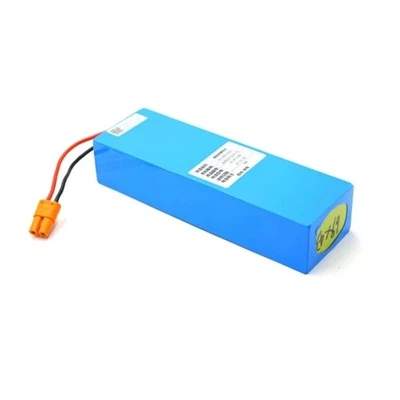
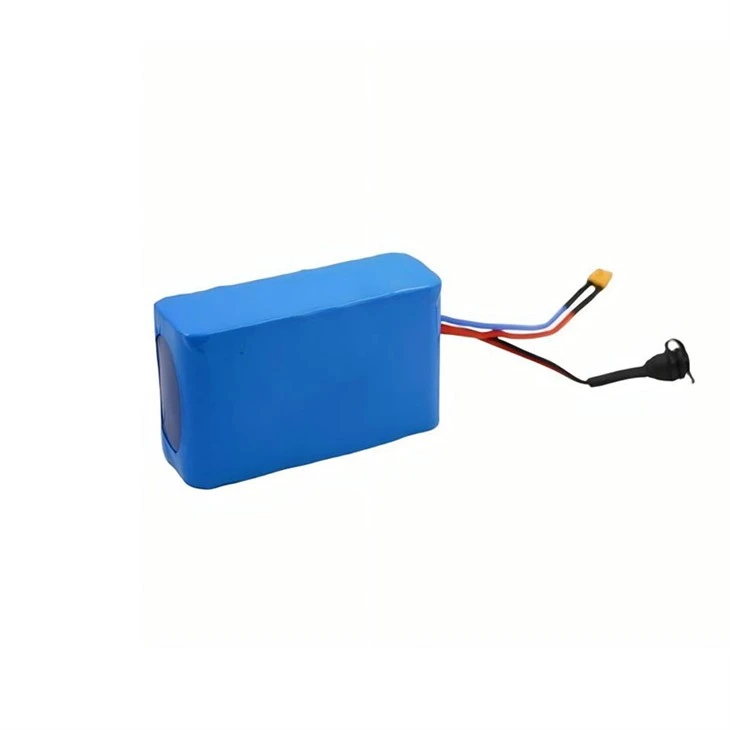


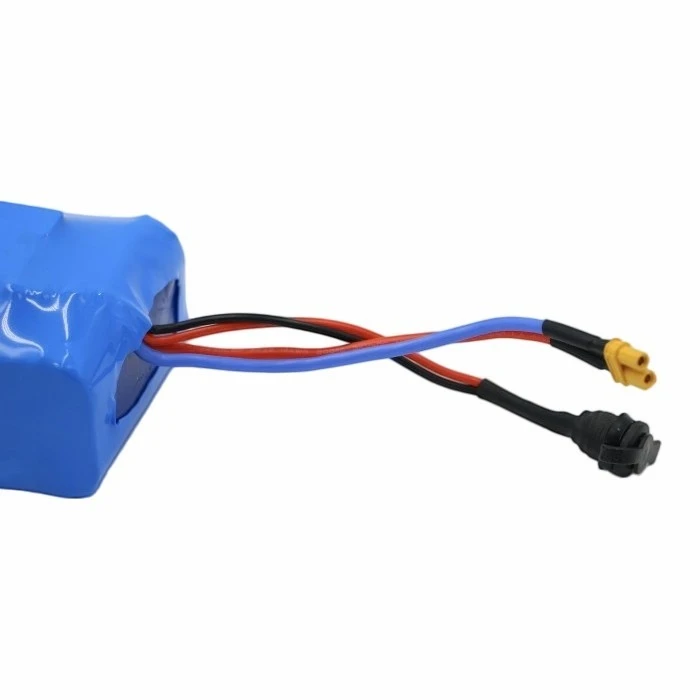
Key Advantages
Long Cycle Life & Intelligent Protection:
The NCM polymer cells incorporate smart BMS active balancing technology to optimize cell performance and reduce internal losses. An integrated protection system provides safeguards against overcharge, over-discharge, overcurrent, and high temperatures, ensuring long-lasting, reliable system operation.
Full Battery Status Visibility:
Supports CAN and Bluetooth communication, remaining battery power, single string voltage, temperature, and health status can all be clearly seen with a simple scan of your mobile phone.
High-rate Discharge For Instant Power:
Meets intensive flight demands including takeoff, sudden-stop hovering and high-speed racing, with reliable instant high-current output.
Specifications
|
Product Specifications |
HQ-22.2V6Ah(Optional:14.8V2.2Ah, 22.2V8Ah) |
Battery Type |
NCM Battery |
|
Charging Voltage |
25.2V |
Charging Current |
2A |
|
Discharge Current |
60A |
Cut-off Voltage |
18V |
|
Product Dimensions |
224 * 71 * 44 mm |
Cycle Life |
≥ 400 times |
|
Operating Temperature |
-20 - 55℃ |
Storage Temperature |
0 - 15℃ |
|
BMS |
Optional:CAN / RS485 / Bluetooth |
Battery Display |
/ |
|
Warranty |
2 years |
Service Life |
2 years |
Application Scenarios
1. Suitable for various scenarios: surveying, agriculture, fire fighting, construction, freight transportation. Different industries have different battery requirements. However, they all demand the same core capabilities: high energy density for extended flight time, fast charging to reduce downtime between missions, high discharge rates for sudden power demands, and multiple safety protections for reliable operation in challenging environments. Whether used for field spraying, fire scene inspection, high-rise building inspection, or cargo transportation, our Unmanned Aerial Vehicle batteries are built to perform.
2. Ready for the future: Next-generation Unmanned Aerial Vehicles and Urban Air Mobility (UAM) systems require higher battery performance than traditional UAVs. High energy density, exceptional reliability, and redundant safety protection are no longer optional advantages, but essential requirements. Our batteries are designed to meet these demanding standards.
FAQ
1. Q: What type of batteries are commonly used in Unmanned Aerial Vehicles?
A: Nowadays, Unmanned Aerial Vehicles mostly use lithium polymer (Li-Po) or lithium-ion (Li-ion) batteries. They are lightweight, have ample energy, and are powerful enough to withstand takeoff, hovering, and flying.
2. Q: How long can an Unmanned Aerial Vehicle fly on a full charge?
A: Actual flight time depends on battery capacity, payload weight, weather conditions, and aircraft size, typically ranging from 15 minutes to 1 hour. Lighter payloads and more stable flight naturally save more power.
3. Q: Are Unmanned Aerial Vehicle batteries safe? Will they explode?
A: Yes, they are safe and well-protected. High-quality Unmanned Aerial Vehicle batteries are equipped with intelligent protection systems that monitor battery conditions and provide protection against overcharging, over-discharging, over-current, short circuits, and high temperatures. Any abnormality will automatically cut off or trigger an alarm.
4. Q: How can I extend the lifespan of an Unmanned Aerial Vehicle battery?
A: Remember a few principles: don't let the battery drain to 0% before charging, don't leave a fully charged battery on for extended periods, don't charge or discharge it in sub-zero temperatures or direct sunlight, and store it with 50%~60% charge. Proper maintenance can significantly extend battery life.
5. Q: What certifications are available? Can they be used for export?
A: Yes, our batteries can be supplied with international certifications and documents based on different market requirements, including UN38.3, MSDS, CE, RoHS, and IEC62133. They are designed to meet transportation and export compliance requirements for both air and sea shipping.
6. Q: How long does it take to charge?
A: Charging time depends on battery capacity and charger power. Typically, it takes around 1–3 hours. Some models support fast charging, reducing charging time to approximately 40–60 minutes. However, charging speed should be balanced with battery lifespan to maintain long-term performance.
Hot Tags: unmanned aerial vehicle lithium battery, China unmanned aerial vehicle lithium battery manufacturers, suppliers, factory, Digital Thermometer Lithium Battery Pack, Electric Scooter Lithium Battery, Handheld power tool battery, Kick scooter lithium battery, Lithium Battery for Electric Handbike, Powered walker battery